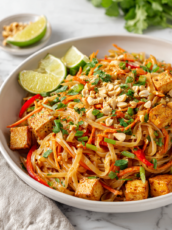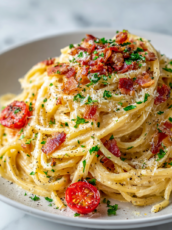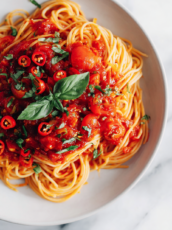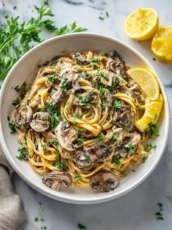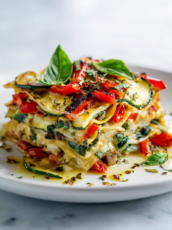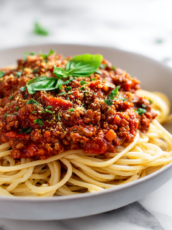
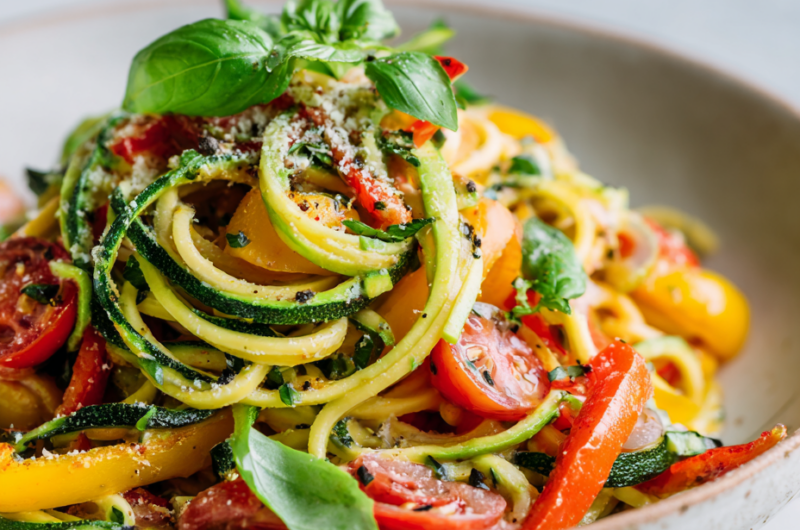
There’s something about spring vegetables that feels like a breath of fresh air in the kitchen. This vegan pasta primavera is my way of celebrating those fleeting, vibrant moments in the garden—snap peas, tender zucchini, and cherry tomatoes bursting with juice. It’s a dish that captures the essence of the season, simple but bursting with flavor.
I love how this recipe turns humble ingredients into something that feels both nourishing and lively. No heavy sauces or complicated techniques—just quick sautéing and a handful of fresh herbs. It’s honest food, made with what’s fresh and in season, and it always reminds me to slow down and enjoy the little things, like a bright green basil leaf or a perfectly cooked pasta.
Focusing on how seasonal vegetables and fresh herbs can transform a humble vegan pasta into a vibrant, comforting dish that captures the fleeting beauty of spring’s bounty, making every bite feel like a celebration of fleeting moments in the garden.
The story behind this recipe
- This recipe was born out of a hurried spring garden cleanup, where I found myself overwhelmed by an abundance of zucchini and cherry tomatoes. Instead of letting them go to waste, I threw them together with some pasta, and the result was unexpectedly bright and satisfying. It’s a reminder that simple, seasonal ingredients can turn into something memorable with just a little love.
- One spring afternoon, I was craving something fresh after a long day, but didn’t want to cook anything complicated. I grabbed whatever was ripe—basil, zucchini, snap peas—and tossed them into boiling pasta. That quick, vibrant dish became a staple during those busy months, reminding me to keep things simple and celebrate what’s in season.
- heading: The story behind this recipe
Key ingredients and tips
- Cherry tomatoes: I love their burst of sweet juice when cooked—skip them if you prefer a milder flavor, but I find they brighten everything. Try halving them for even juiciness.
- Zucchini: Their tender bite and mild flavor soak up herbs beautifully. Slicing them thin helps them cook quickly and keeps the texture just right.
- Fresh basil: It’s the aromatic soul of this dish—slap a few leaves into the pan at the end for brightness. Dried basil won’t give the same fresh punch, so use fresh if possible.
- Olive oil: It’s the base for sautéing everything—use a good quality extra virgin for a rich, fruity aroma. If you only have light oil, boost the herbs for flavor.
- Garlic: I prefer minced garlic for even distribution, but sliced cloves add a milder, sweeter note. Be careful not to burn it—medium heat is key.
- Pasta: I use a sturdy spaghetti or linguine—something that holds up well to the veggies. Cook just shy of al dente, as it will finish cooking with the sauce.
- Seasoning: Salt, pepper, a pinch of red pepper flakes—these simple touches lift the fresh ingredients. Taste and adjust at the end to avoid over-seasoning.
Spotlight on key ingredients
Cherry tomatoes:
- I love their burst of sweet juice when cooked—skip them if you prefer a milder flavor, but I find they brighten everything. Try halving them for even juiciness.
- Zucchini: Their tender bite and mild flavor soak up herbs beautifully. Slicing them thin helps them cook quickly and keeps the texture just right.
- Fresh basil: It’s the aromatic soul of this dish—slap a few leaves into the pan at the end for brightness. Dried basil won’t give the same fresh punch, so use fresh if possible.
Olive oil and garlic:
- Olive oil: It’s the base for sautéing everything—use a good quality extra virgin for a rich, fruity aroma. If you only have light oil, boost the herbs for flavor.
- Garlic: I prefer minced garlic for even distribution, but sliced cloves add a milder, sweeter note. Be careful not to burn it—medium heat is key.
Notes for ingredient swaps
- Dairy-Free: Swap vegan cheese or omit cheese altogether. You won’t get that creamy melt, but it stays fresh and light.
- Gluten-Free: Use rice or chickpea pasta instead of wheat. They cook a bit differently—watch for softer textures and adjust cooking times.
- Oil Alternatives: Replace olive oil with avocado or grapeseed oil. Keeps the sauté smooth but shifts flavor slightly—less fruity, more neutral.
- Seasoning Boost: Fresh lemon juice or vinegar can brighten the dish even more. A splash right at the end lifts all the flavors.
- Herb Variations: Swap basil for fresh parsley or cilantro. Each adds a different aromatic punch—try what’s in your fridge.
- Vegetable Swap: Add snap peas or thinly sliced fennel for extra crunch and flavor. They cook quickly and add a fresh note.
- Tomato Options: Use sun-dried tomatoes for a concentrated, smoky sweetness. Hydrate briefly if dried to prevent dryness.
Equipment & Tools
- Large pot: Boil pasta efficiently in plenty of water.
- Wide skillet: Sauté vegetables and mix pasta with sauce.
- Slotted spoon: Drain pasta without excess water.
- Sharp knife: Prepare vegetables and herbs quickly and safely.
Step-by-step guide to vegan pasta primavera
- Gather your equipment: a large pot for boiling pasta, a wide skillet for sautéing, a slotted spoon, and a sharp knife. Fill the pot with water, add a generous pinch of salt, and bring to a rolling boil (about 100°C / 212°F).
- While water heats, prep your veggies: thinly slice zucchini and chop cherry tomatoes in halves or quarters. Mince garlic and julienne basil leaves for quick release of flavor.
- Add pasta to boiling water. Cook according to package instructions, usually 8-10 minutes, until just shy of al dente. Stir occasionally to prevent sticking. Drain and set aside, reserving about ½ cup of pasta water.
- Heat the skillet over medium heat (about 160°C / 320°F). Pour in a good splash of olive oil, enough to coat the bottom. Once shimmering, add minced garlic. Sauté until fragrant, about 30 seconds—be careful not to burn, as burnt garlic turns bitter.
- Add zucchini slices to the skillet. Cook for 3-4 minutes, stirring occasionally, until they begin to soften and turn slightly golden. They should still have some bite.
- Toss in cherry tomatoes and cook for another 2-3 minutes. They’ll soften, release their juice, and create a light sauce. If it seems dry, splash in a bit of reserved pasta water to loosen everything up.
- Combine drained pasta with the vegetable mixture in the skillet. Toss gently over low heat (about 140°C / 285°F). Add freshly chopped basil, salt, pepper, and a pinch of red pepper flakes. Cook for 1 minute to meld flavors.
- Check the dish: the pasta should be glossy, veggies tender but vibrant. The garlic should be aromatic but not burnt. The tomatoes should be juicy and slightly blistered.
- Taste and adjust seasoning. If too dry, stir in a little more pasta water. If under-flavored, sprinkle with more salt or herbs. Remove from heat when ready.
- Rest the pasta for 2 minutes. Serve hot, garnished with extra basil leaves and a drizzle of olive oil if desired. Enjoy the freshness of spring in every bite.
Let the pasta sit for 2 minutes after mixing. Plate in warm bowls, garnish with fresh basil, and drizzle with a little olive oil for shine and extra flavor.
How to Know It’s Done
- Pasta is perfectly tender, not mushy, with a slight bite (al dente).
- Vegetables are bright, slightly softened, and juicy with a hint of browning.
- The sauce is glossy and coats the pasta evenly, with fragrant garlic and fresh herbs.
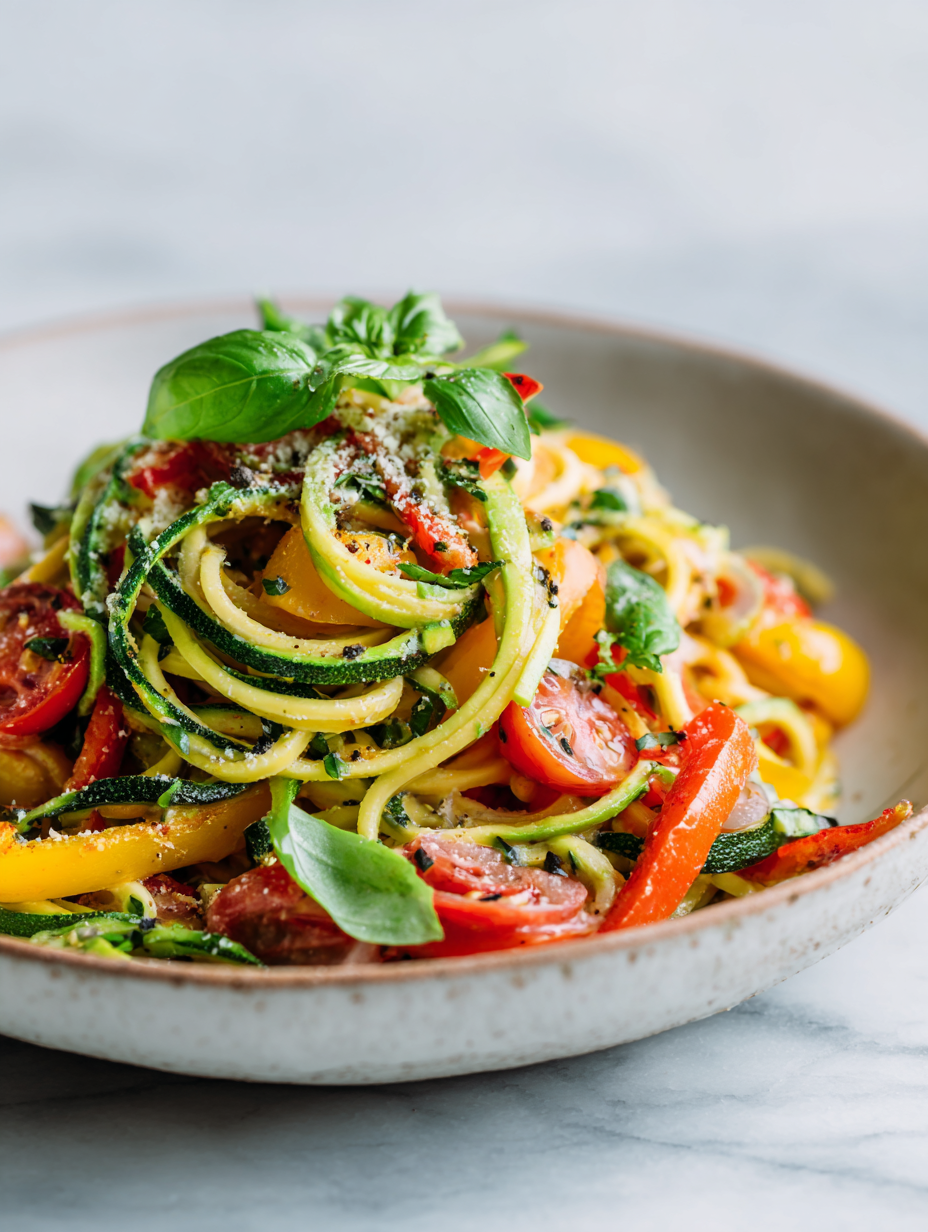
Vegan Pasta Primavera
Ingredients
Equipment
Method
- Bring a large pot of salted water to a rolling boil. Add your pasta and cook, stirring occasionally, until just shy of al dente, about 8-10 minutes. Drain, reserving about half a cup of pasta water, and set aside.
- While the pasta cooks, prepare your vegetables: halve the cherry tomatoes, thinly slice the zucchini, and trim the snap peas. Mince the garlic and chop the basil leaves finely.
- Heat a wide skillet over medium heat. Pour in the olive oil and let it shimmer, releasing a fruity aroma. Add the minced garlic and sauté for about 30 seconds until fragrant, stirring constantly to avoid burning.12 oz spaghetti or linguine
- Add the sliced zucchini to the skillet. Cook, stirring occasionally, for 3-4 minutes until they start to soften and turn lightly golden around the edges.12 oz spaghetti or linguine
- Stir in the cherry tomatoes and snap peas. Cook for another 2-3 minutes until the tomatoes soften and release their juices, creating a light, juicy sauce. If it seems dry, add a splash of the reserved pasta water.12 oz spaghetti or linguine
- Add the drained pasta directly into the skillet. Toss gently to coat the noodles with the vegetable mixture, heating everything through over low heat.12 oz spaghetti or linguine
- Sprinkle in the chopped basil, season with salt, pepper, and red pepper flakes if using. Toss again to distribute the herbs and seasonings evenly.12 oz spaghetti or linguine
- Cook for another minute until fragrant and well combined. The pasta should be glossy, veggies tender but vibrant, and the aroma fresh and inviting.
- Remove from heat and let sit for a minute. Serve hot, garnished with extra fresh basil leaves and a drizzle of olive oil if desired. Enjoy the bright, seasonal flavors in every bite!
Pro tips for vibrant primavera
- garlic: Gently sauté garlic over medium heat until fragrant, about 30 seconds, to avoid bitterness.
- Brighten with herbs: Add fresh basil at the end of cooking for maximum aroma and flavor punch.
- Juicy tomatoes: Halve cherry tomatoes to ensure they release their sweet juice evenly during cooking.
- Perfect pasta: Cook just shy of al dente, then finish with the veggies to absorb all the flavors.
- Pasta water magic: Reserve some starchy pasta water; splash it in to loosen the sauce and intensify flavor.
- Vegetable prep: Slice zucchini thinly for quick cooking and tender texture without sogginess.
- Oil quality: Use a good extra virgin olive oil for a fruity aroma that enhances all the sautéed ingredients.
Common mistakes and how to fix them
- FORGOT to drain pasta properly → Drain thoroughly to prevent sogginess.
- DUMPED in all herbs at once → Add herbs gradually for fresh, bright flavor.
- OVER-TORCHED garlic → Sauté garlic gently until fragrant, avoid burning for sweetness.
- SKIPPED tasting → Taste throughout to adjust seasoning and avoid blandness.
Quick fixes and pantry swaps
- When sauce looks dull → Splash in a bit of pasta water for shine.
- If veggies stick or burn → Shield with a dash more oil and stir often.
- DUMPED too much salt → Rinse briefly with cold water to tone down saltiness.
- When pasta clumps → Toss with a splash of olive oil before storing.
- Splash with lemon if dish feels flat → Brighten flavors instantly with citrus shimmer.
Prep, store, and reheat tips
- Prep vegetables: Slice zucchini and halve cherry tomatoes the day before; store in airtight containers in the fridge. Veggies stay fresh for up to 2 days and are ready to sauté.
- Cook pasta ahead: Boil pasta al dente, drain, and toss with a teaspoon of olive oil to prevent sticking. Store in a sealed container in the fridge for up to 24 hours. Reheat in boiling water for 30 seconds or in the microwave until steaming.
- Herb prep: Chop fresh basil and other herbs in advance. Keep wrapped in damp paper towels inside a container. They’ll retain aroma and color for up to 2 days, ready to toss at the end.
- Storage tips: Keep leftover pasta primavera in an airtight container in the fridge. It’s best enjoyed within 1-2 days, as herbs and veggies may lose brightness over time.
- Reheating: Gently reheat in a skillet over low-medium heat (about 140°C / 285°F), adding a splash of water or oil. The dish should shimmer and veggies should be heated through without becoming mushy.
Top questions about vegan pasta primavera
1. Can I use canned tomatoes instead?
Use fresh cherry tomatoes; they burst with sweetness when cooked, adding a juicy, bright flavor to the dish.
2. Can I substitute with dried herbs?
Yes, but fresh tomatoes give a more vibrant, juicy burst. Canned may make the dish a bit more saucy and less fresh.
3. How do I keep the zucchini from getting mushy?
Dried herbs are milder; add them earlier during cooking to let their flavor infuse the veggies and pasta.
4. What pasta shape works best?
Slice zucchini thinly and cook it quickly over medium heat until tender but still slightly firm to the bite.
5. Can I make this dish gluten-free?
Long, sturdy pasta like spaghetti or linguine holds up well and grabs the sauce nicely.
6. How do I prevent the garlic from burning?
Yes, swap in gluten-free pasta options like rice or chickpea pasta, adjusting cooking time as needed.
7. Can I add more herbs or spices?
Sauté garlic gently over medium heat until fragrant, about 30 seconds, and remove from heat if it starts to brown.
8. What’s a good vegan cheese to add?
Absolutely, try adding a pinch of red pepper flakes or lemon zest for extra brightness and depth.
9. How do I reheat leftovers without losing texture?
You can sprinkle some vegan Parmesan or nutritional yeast at the end for cheesy flavor without overpowering the freshness.
10. Can I freeze this dish?
Reheat gently in a skillet over low heat, adding a splash of water or oil to revive moisture and flavor.
This dish really captures the fleeting beauty of spring, doesn’t it? There’s something so satisfying about using fresh, seasonal ingredients and making something that feels both nourishing and vibrant. It’s a reminder to slow down and savor those bright, green, and juicy moments in the kitchen.
In the end, this pasta primavera is more than just a quick weeknight meal. It’s a little celebration of the season, a way to hold onto those fresh garden flavors just a bit longer. I keep coming back to it when I want something honest, bright, and comforting in the simplest way.

Hi, I’m Harper Evans. Welcome to Crushing These Flavors, my home on the internet where curiosity, comfort, and a deep love for food come together. I’m a passionate food blogger who believes great meals are built through attention, practice, and a willingness to experiment.