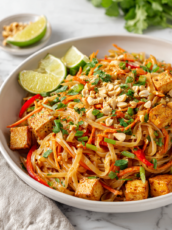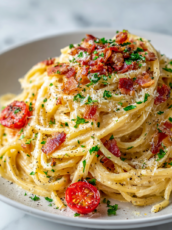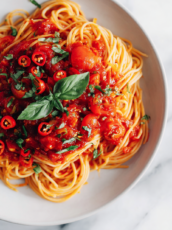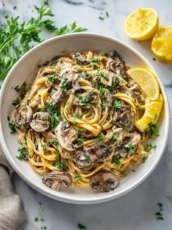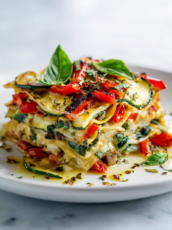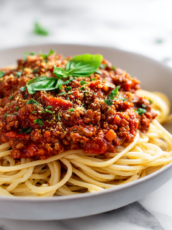
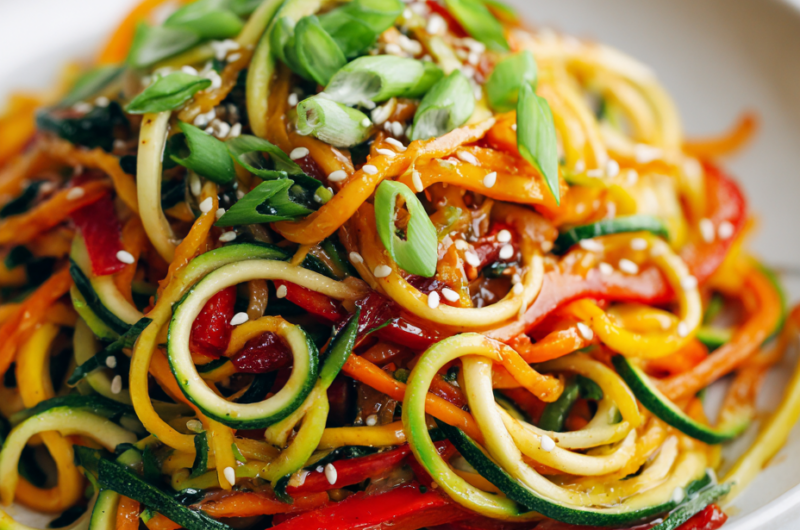
In the rush of everyday life, I’ve found that using vegetable noodles helps me slow down for a moment. It’s a simple act—spiraling zucchini, carrots, or even daikon into thin ribbons—becomes a gentle reminder to breathe and reconnect with what I’m eating. This dish isn’t about perfection; it’s about creating a mindful pause amid chaos.
Cooking these noodles is almost meditative. No heavy sauces or complicated steps—just fresh vegetables, a quick toss in a hot pan, and a sprinkle of your favorite toppings. It turns a quick meal into a quiet ritual, a little space carved out for clarity in a cluttered kitchen. That’s what makes this recipe special to me.
Focusing on using vegetable noodles as a way to reconnect with simple, mindful eating amidst a busy, cluttered kitchen, turning a quick meal into a moment of calm and clarity.
The story behind this recipe
- This recipe came from a moment of kitchen chaos—trying to make something quick and nourishing without much fuss. I was tired of heavy, sauce-laden dishes and craved something light but satisfying. The idea of turning vegetables into noodles struck me as a way to make everyday ingredients feel special again.
- One evening, I grabbed a bunch of zucchini, carrots, and a sharp peeler. As I spiralized the vegetables, I remembered how much I loved simple textures and pure flavors. That little act of creating those noodles was almost like a small act of rebellion against overcomplicated cooking. It’s become a go-to whenever I need something fresh, fast, and real.
- heading: The story behind this recipe
Key ingredients and tips
- Zucchini: I love the slight crunch of spiralized zucchini; it’s like a fresh, cool bite. Swap with cucumber if you want more crispness, but be aware it’s less fibrous.
- Carrots: Their natural sweetness adds a lovely contrast. Use daikon for a milder flavor, or sweet potato for a richer note—just watch the cooking time.
- Garlic: I always crush fresh garlic until it’s fragrant, about 30 seconds—then toss it in early. Powdered garlic can work in a pinch but loses the punch and aroma.
- Soy Sauce: I prefer a splash of tamari for a richer, slightly smoky depth. Coconut aminos are a good soy-free alternative—just expect a sweeter, milder flavor.
- Sesame Oil: A few drops make everything smell toasted and inviting. For nutty depth, try toasted sesame paste, but use sparingly—it’s intense.
- Vegetables for stir-fry: I often add bell peppers or snap peas for crunch and color. Frozen peas are a quick, sweet addition—no prep needed, just toss in.
- Lemon Juice: Brightens the dish instantly. Fresh lemon zest can add a more intense citrus hit, especially good if you’re skipping soy or tamari.
Spotlight on key ingredients
Zucchini:
- I love the slight crunch of spiralized zucchini; it’s like a fresh, cool bite. Swap with cucumber if you want more crispness, but be aware it’s less fibrous.
- Carrots: Their natural sweetness adds a lovely contrast. Use daikon for a milder flavor, or sweet potato for a richer note—just watch the cooking time.
- Garlic: I always crush fresh garlic until it’s fragrant, about 30 seconds—then toss it in early. Powdered garlic can work in a pinch but loses the punch and aroma.
Sesame Oil:
- A few drops make everything smell toasted and inviting. For nutty depth, try toasted sesame paste, but use sparingly—it’s intense.
- Lemon Juice: Brightens the dish instantly. Fresh lemon zest can add a more intense citrus hit, especially good if you’re skipping soy or tamari.
- Vegetables for stir-fry: I often add bell peppers or snap peas for crunch and color. Frozen peas are a quick, sweet addition—no prep needed, just toss in.
Notes for ingredient swaps
- Vegetables: Use cucumber or daikon for different crunch and milder flavor, but keep in mind they’re less fibrous and cook faster.
- Soy Sauce: Swap with tamari for a richer, slightly smoky flavor, or coconut aminos for a sweeter, milder taste—adjust salt accordingly.
- Oils: Sesame oil adds toasted aroma; for a neutral option, try avocado oil, but it won’t have the same nutty scent.
- Garlic: Fresh crushed garlic is best for aroma and punch; garlic powder can work but will lack that fresh, bright sharpness.
- Citrus: Lemon juice brightens the dish; lime or orange zest can add different but equally vibrant citrus notes.
- Add-ins: Bell peppers or snap peas can be substituted with frozen peas or thinly sliced zucchini for crunch and color.
- Noodles: Spiralize sweet potato or kohlrabi as a denser, slightly sweeter alternative—adjust cook time to prevent over-softening.
Equipment & Tools
- Spiralizer or julienne peeler: Create uniform, thin vegetable noodles.
- Large skillet: Quickly stir-fry the noodles evenly.
- Mixing bowl: Toss and serve the noodles.
- Knife and chopping board: Prep garlic and additional toppings.
Step-by-step guide to vegetable noodles
- Equip your tools: a spiralizer or julienne peeler, a large skillet, and a mixing bowl. Spiralizer gives uniform noodles, skillet for quick stir-fry, bowl for tossing.
- Prepare your vegetables: spiralize 2 zucchinis and 2 carrots into noodles. Keep them ready; they cook fast, about 2-3 minutes max.
- Heat the skillet over medium-high: about 180°C / 355°F. Add 1 teaspoon sesame oil; wait until it shimmers and smells toasted.
- Add minced garlic (1-2 cloves, crushed) to the hot oil: cook until fragrant, about 30 seconds. Be careful not to burn it; reduce heat if it smokes.
- Toss in the vegetable noodles: stir-fry gently for 2-3 minutes. They should soften slightly but still have a bit of crunch. If they start to brown, lower the heat.
- Season with 1 tablespoon soy sauce or tamari: stir well to coat evenly. Add a pinch of salt or pepper if needed. Check for flavor—salty and savory is good.
- Optionally, toss in sliced bell peppers or snap peas: cook for another minute—just enough to warm through and add color and crunch.
- Remove from heat: noodles should be glossy, fragrant, and just tender. If they look dry or overcooked, stop immediately to preserve texture.
- Rest the noodles briefly: let sit for 1 minute to allow flavors to meld. Then, transfer to a serving plate and sprinkle with sesame seeds or chopped herbs if desired.
- Serve immediately: enjoy the fresh, bright aroma and crisp texture while hot. If leftovers, keep in an airtight container for up to 24 hours.
Let the noodles sit for a minute after cooking to absorb flavors, then plate immediately, garnished with seeds or herbs for added texture and aroma.
How to Know It’s Done
- Noodles are slightly tender but retain a firm bite.
- Garlic is fragrant but not burnt, with a toasted aroma.
- Vegetables are evenly coated with sauce and look glossy.
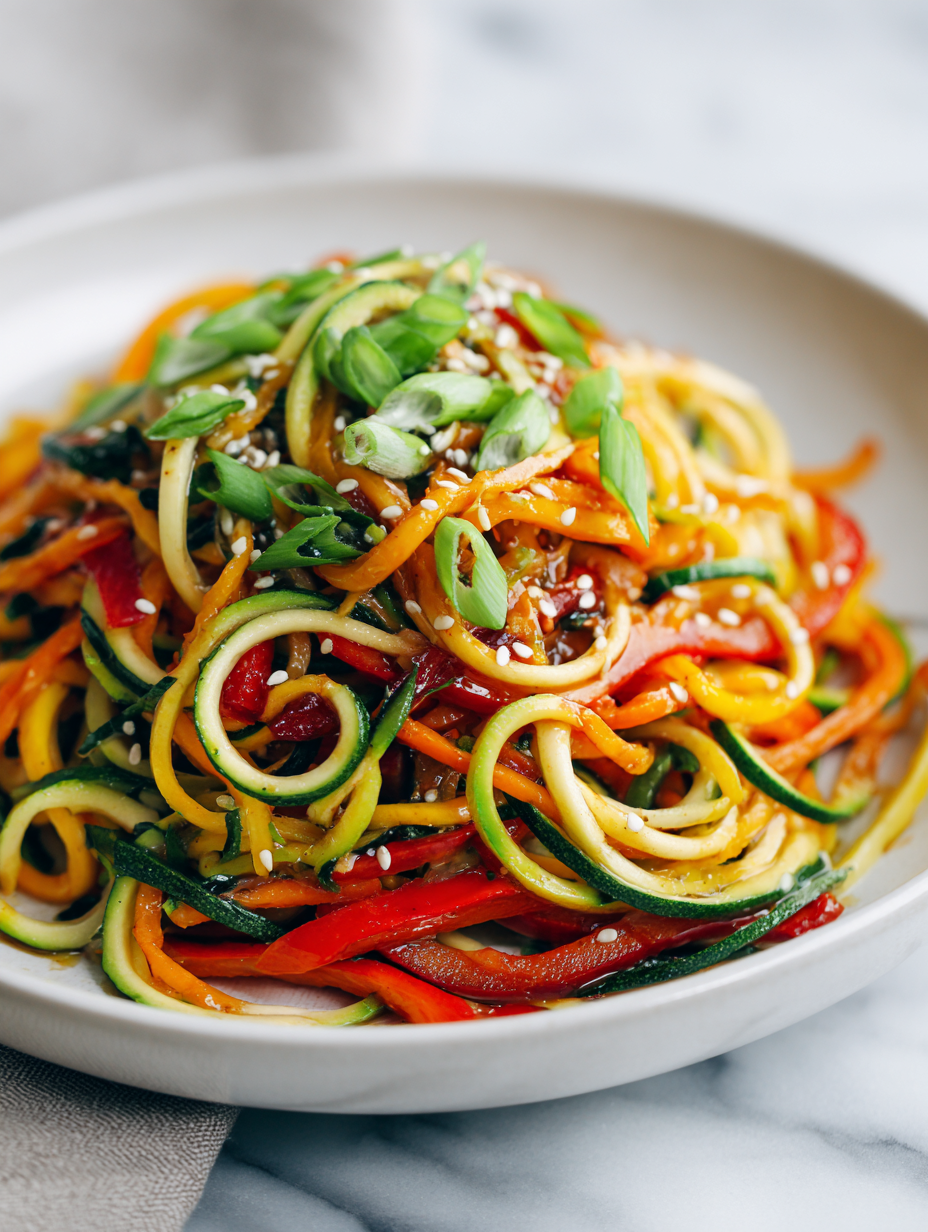
Vegetable Noodle Stir-Fry
Ingredients
Equipment
Method
- Start by spiralizing the zucchini and carrots into thin, noodle-like strands, then place them in a mixing bowl.
- Heat the large skillet over medium-high heat until it’s hot and you can feel the warmth radiating from it.
- Add the sesame oil to the skillet, listening for a gentle sizzle as it warms and releases a toasted aroma.
- Add the minced garlic and cook for about 30 seconds until fragrant, watching it turn a light golden brown and filling the air with aroma.
- Toss the spiralized vegetables into the skillet, stirring gently to coat them evenly with the garlic and oil.
- Cook for about 2-3 minutes, stirring frequently, until the noodles are just tender but still retain a slight crunch and vibrant color.
- Add the soy sauce or tamari and toss well to evenly season the noodles, allowing the flavors to meld and the noodles to glisten.
- If using, add sliced bell peppers or snap peas now and cook for another minute for extra crunch and color.
- Remove the skillet from heat, then let the noodles sit for a minute to settle and absorb the flavors.
- Transfer the noodles to a plate, sprinkle with sesame seeds or chopped herbs if desired, and serve immediately while hot.
Pro tips for perfect noodles
- Bolded mini-head: Use a spiralizer with sharp blades to get even, ribbon-like noodles that cook uniformly.
- Bolded mini-head: When stir-frying, keep the heat high enough to sizzle—about 180°C / 355°F—to quickly sear without sogginess.
- Bolded mini-head: Toss the noodles frequently to prevent sticking and ensure even cooking—think gentle, continuous movement.
- Bolded mini-head: Add garlic early in the pan to develop a toasted aroma, but watch for burning—reduce heat if it smokes or turns bitter.
- Bolded mini-head: Taste and adjust soy or tamari near the end—adding in stages helps prevent over-salting and keeps flavors balanced.
- Bolded mini-head: Rest the noodles for a minute after cooking—this helps flavors settle and improves texture before serving.
- Bolded mini-head: For extra flavor, sprinkle toasted sesame seeds or chopped herbs right before plating—adds crunch and freshness.
Common mistakes and how to fix them
- FORGOT to check noodle tenderness → test for a slight crunch before removing from heat.
- DUMPED all sauce at once → add gradually, tasting for balance and avoiding overpowering flavors.
- OVER-TORCHED garlic → cook garlic until fragrant, about 30 seconds, avoid burning to prevent bitterness.
- MISSED resting time → let noodles sit for 1 minute after cooking to meld flavors and improve texture.
Quick fixes and pantry swaps
- When noodles stick, splash a little water and toss gently to loosen.
- If sauce is too salty, add a squeeze of lemon to brighten and balance flavors.
- DUMPED too much oil? Pat noodles with a paper towel to absorb excess and prevent greasiness.
- Overcooked? Rinse briefly with cold water to stop cooking and refresh texture.
- When lacking sesame oil, patch with roasted peanut oil for a nutty aroma and flavor.
Prep, store, and reheat tips
- Prep vegetable noodles ahead by spiralizing or julienning the vegetables. Keep them in an airtight container in the fridge for up to 24 hours, where they stay crisp and fresh, with a slight shine and bright color.
- Store any cooked noodles or stir-fry leftovers in a sealed container for up to 1 day. Reheat gently in a hot skillet, smelling for that familiar toasted sesame aroma and looking glossy again.
- For best flavor, add fresh toppings like herbs or seeds just before serving. These can be prepped hours ahead but keep separate until ready to eat.
- Refrigerated vegetable noodles may lose some crunch over time. To revive, toss them quickly in a hot pan for 30 seconds—look for a slight sizzle and aroma of toasted garlic.
Top questions about vegan veggie noodles
1. What’s the best tool for veggie noodles?
Use a julienne peeler or spiralizer to create even, thin noodles. It’s the easiest way to get that perfect ribbon shape.
2. Can I use different vegetables?
You can swap zucchini with cucumber or daikon for different textures. Keep in mind, cucumbers are less fibrous and cook faster.
3. How long should I cook the noodles?
Stir-fry the noodles on medium-high heat for about 2-3 minutes until slightly tender but still crisp. Overcooking makes them soggy.
4. Can I prepare noodles in advance?
Yes, you can prep spiralized vegetables ahead and store in an airtight container in the fridge for up to 24 hours. Keep them dry to maintain crunch.
5. What’s a good soy sauce alternative?
Use tamari or coconut aminos as soy sauce substitutes. They add depth and umami without sacrificing flavor.
6. How do I make the dish taste brighter?
Add a splash of lemon juice or zest at the end to brighten the flavors and add a fresh, zingy aroma.
7. What if my garlic burns?
Over-browning garlic? Reduce heat immediately and stir constantly. Use fresh garlic for a fragrant, toasted aroma without bitterness.
8. Can I substitute sesame oil?
Use toasted sesame oil for a nutty, fragrant aroma. For a milder flavor, substitute with avocado oil, but it won’t have that signature toast.
9. My noodles are sticky or too salty, what now?
If noodles are sticking, splash a little water and toss gently. To fix over-salted dishes, add a squeeze of lemon or a bit of sugar.
10. How should I reheat stored noodles?
Reheat leftovers gently in a hot skillet, smelling for that toasted aroma. Add fresh herbs or seeds just before serving for extra flavor.
This dish is a gentle reminder to slow down and appreciate the simple act of preparing and eating. In a busy world, it’s refreshing to reconnect with fresh vegetables and honest flavors, letting aromas like toasted sesame and bright lemon brighten the moment. These noodles aren’t just a meal—they’re a small, mindful pause in an often chaotic day.
Cooking this recipe is about embracing imperfections and finding joy in quick, nourishing food. It’s a way to make time for yourself, even if just for a few minutes, and to enjoy the clean, crisp bite of vegetables seasoned simply but thoughtfully. Sometimes, the most honest meals are the ones that remind us to breathe and savor what’s right in front of us.

Hi, I’m Harper Evans. Welcome to Crushing These Flavors, my home on the internet where curiosity, comfort, and a deep love for food come together. I’m a passionate food blogger who believes great meals are built through attention, practice, and a willingness to experiment.