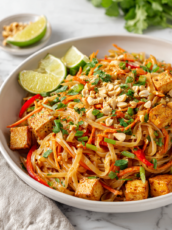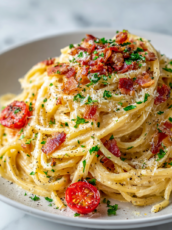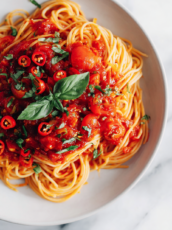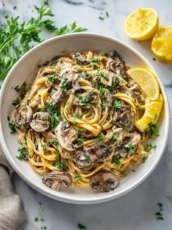
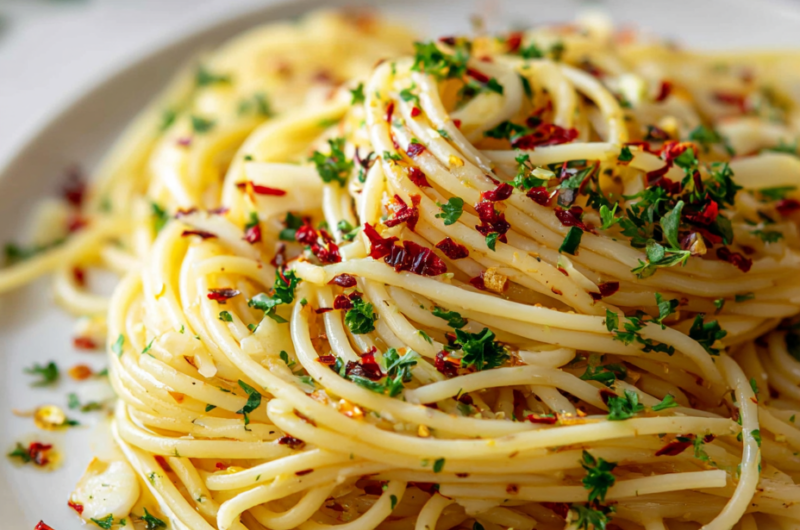
Vegan Spaghetti Aglio e Olio is my go-to when I want something simple yet alive with flavor. The magic lies in that first whiff of garlic hitting hot oil—it’s a sharp, sweet aroma that kind of wakes up your senses and makes everything else fade away for a moment. I love how humble ingredients come alive in the pan, turning into something that feels both cozy and bright, without much fuss or fussiness involved.
This dish isn’t just about comfort; it’s about celebrating the small, everyday moments in the kitchen. It’s perfect for those busy nights when you want a quick, satisfying meal that feels like a little ritual—cracking garlic, sizzling oil, and tossing pasta until everything is coated in that fragrant, olive-bright sauce. It’s honest, unpretentious, and somehow always hits the spot.
More than anything, I keep coming back to this recipe because it reminds me how powerful simple can be. No complicated sauces or fancy ingredients needed—just garlic, good olive oil, and pasta. But when they come together, they create a sensory experience that’s both grounding and unexpectedly lively, especially when topped with a sprinkle of chili flakes or fresh herbs. That’s the real joy.
Focusing on the sensory journey of garlic and olive oil, this recipe emphasizes the aroma and texture nuances that make vegan Spaghetti Aglio e Olio a comforting yet understated dish. It’s about appreciating the simple magic of ingredients transforming in the pan, turning humble staples into a lively, fragrant bowl.
The story behind this recipe
- This dish harks back to my early days in a tiny apartment kitchen, where I learned that the simplest ingredients—garlic, olive oil, and pasta—could create a symphony of flavor. I remember the first time I perfected that perfect golden garlic, its aroma filling the room and making everyone in the house stop and smile. It’s a reminder that good food doesn’t need to be complicated.
- One evening, I was feeling overwhelmed, craving something nourishing but quick. I threw together this spaghetti with what I had—just garlic and oil—and it turned into a little ritual that grounded me. That moment made me realize how small, humble dishes can carry a lot of comfort and meaning, even in chaos.
- heading: The story behind this recipe
Ingredient breakdown: key components
- Garlic: I love slicing it thin so it crisps up nicely, filling the kitchen with that pungent, slightly sweet aroma. If you prefer milder, roast it first for a mellow, caramelized flavor.
- Olive oil: Use a good extra virgin—it’s the backbone of this dish. I like to warm it gently until it shimmers, releasing that grassy, slightly peppery scent. For a nuttier taste, try a toasted oil drizzle at the end.
- Spaghetti: I prefer al dente—firm with a slight bite. Cook it in generously salted water until just shy of package instructions, then toss quickly into the flavorful oil to finish absorbing those aromas.
- Red pepper flakes: Just a pinch for heat—enough to awaken the senses without overpowering. Add them early to let the oil carry that spicy kick, or sprinkle fresh at the end for a bright pop.
- Parsley (or herbs): Fresh, chopped fine, adds a burst of color and freshness. Toss in right before serving to keep that vibrant, grassy aroma alive and to balance the richness of the oil and garlic.
- Lemon zest (optional): A tiny sprinkle brightens everything—look for that tiny shimmer of citrus oils on the peel. It elevates the whole dish with a zesty, zingy note that cuts through the oil’s richness.
- Salt: Essential for bringing out all the flavors. I taste and adjust after tossing the pasta, aiming for a balanced, savory hit that makes everything pop.
Spotlight on key ingredients
Garlic:
- I love slicing it thin so it crisps up nicely, filling the kitchen with that pungent, slightly sweet aroma. If you prefer milder, roast it first for a mellow, caramelized flavor.
- Olive oil: Use a good extra virgin—it’s the backbone of this dish. I like to warm it gently until it shimmers, releasing that grassy, slightly peppery scent. For a nuttier taste, try a toasted oil drizzle at the end.
Olive oil:
- The rich, grassy aroma when warmed is unmistakable. It coats the pasta with a silky finish, and a quick toast amplifies its nutty, smoky notes—crucial for that deep flavor.
- ingredient
Notes for ingredient swaps
- Vegan Butter: Swap in a plant-based butter for richer, slightly creamy notes—less grassy than olive oil but still satisfying.
- Garlic: Roast it first for a mellow, caramelized sweetness or use garlic powder for convenience—less pungent, softer aroma.
- Olive Oil: Use avocado oil or toasted sesame oil for a nutty twist; they add different depth but keep that oiliness.
- Pasta: Spiral or gluten-free options work well—just cook until al dente, and adjust water if needed for saucier texture.
- Red Pepper Flakes: Substitute with smoked paprika for smoky heat or skip entirely for milder flavor, keeping it gentle.
- Fresh Herbs: Basil or oregano can replace parsley—each adds a different aromatic punch but keep the freshness upfront.
- Lemon Zest: Lime zest or a splash of vinegar can brighten the dish differently—think citrus or tangy contrast.
Equipment & Tools
- Large pot: Boil pasta evenly and efficiently
- Colander: Drain pasta without excess water
- Large skillet: Fry garlic and toss pasta
- Wooden spoon: Stir ingredients gently without scratching
Step-by-step guide to vegan Spaghetti Aglio e Olio
- Equipment & Tools: Fill a large pot with water, bring to a rolling boil (~100°C/212°F). Use a colander for draining. Have a large skillet ready for frying, and a wooden spoon for stirring.
- Salt the boiling water generously—like the sea—then add spaghetti. Cook for 8-10 minutes until al dente, stirring occasionally to prevent sticking. Drain, saving about ½ cup pasta water.
- While pasta cooks, peel and thinly slice 4-6 garlic cloves. Heat ½ cup olive oil in the skillet over medium-low (~135°C/275°F). When oil shimmers, add garlic slices. Sizzle gently, stirring often, until golden and fragrant, about 2-3 minutes.
- If garlic starts to turn dark or smell bitter, reduce heat immediately—garlic burns fast. Add a pinch of red pepper flakes (½ tsp) to oil for a spicy kick. Cook just until flakes crackle and release aroma, about 30 seconds.
- Add drained spaghetti to the skillet. Toss to coat evenly in the garlic oil. If sauce feels dry, add a splash of reserved pasta water (1-2 tbsp) to loosen and help everything cling. Cook together for 1-2 minutes, until heated through.
- Check for doneness: pasta should be glossy and flavorful, garlic lightly golden, and oil fragrant. Taste and adjust salt if needed. If too oily, add more pasta water; if under-flavored, sprinkle a little more salt.
- Resting & Finishing: Turn off heat. Toss in chopped fresh parsley and a squeeze of lemon zest if you like. Let sit for 1 minute so flavors meld. Serve immediately with an extra sprinkle of chili flakes or herbs.
- Checkpoints & How to Know It’s Done: Garlic is golden and fragrant; pasta is al dente with a slight bite; oil is shimmering and infused with garlic aroma.
Finish with fresh herbs and lemon zest. Serve immediately on warm plates. Let rest for a minute before digging in to let flavors settle.
How to Know It’s Done
- Garlic is golden and fragrant, not burnt or bitter.
- Pasta is al dente, with a slight firmness when bitten.
- Oil is shiny, aromatic, and coats the pasta evenly.
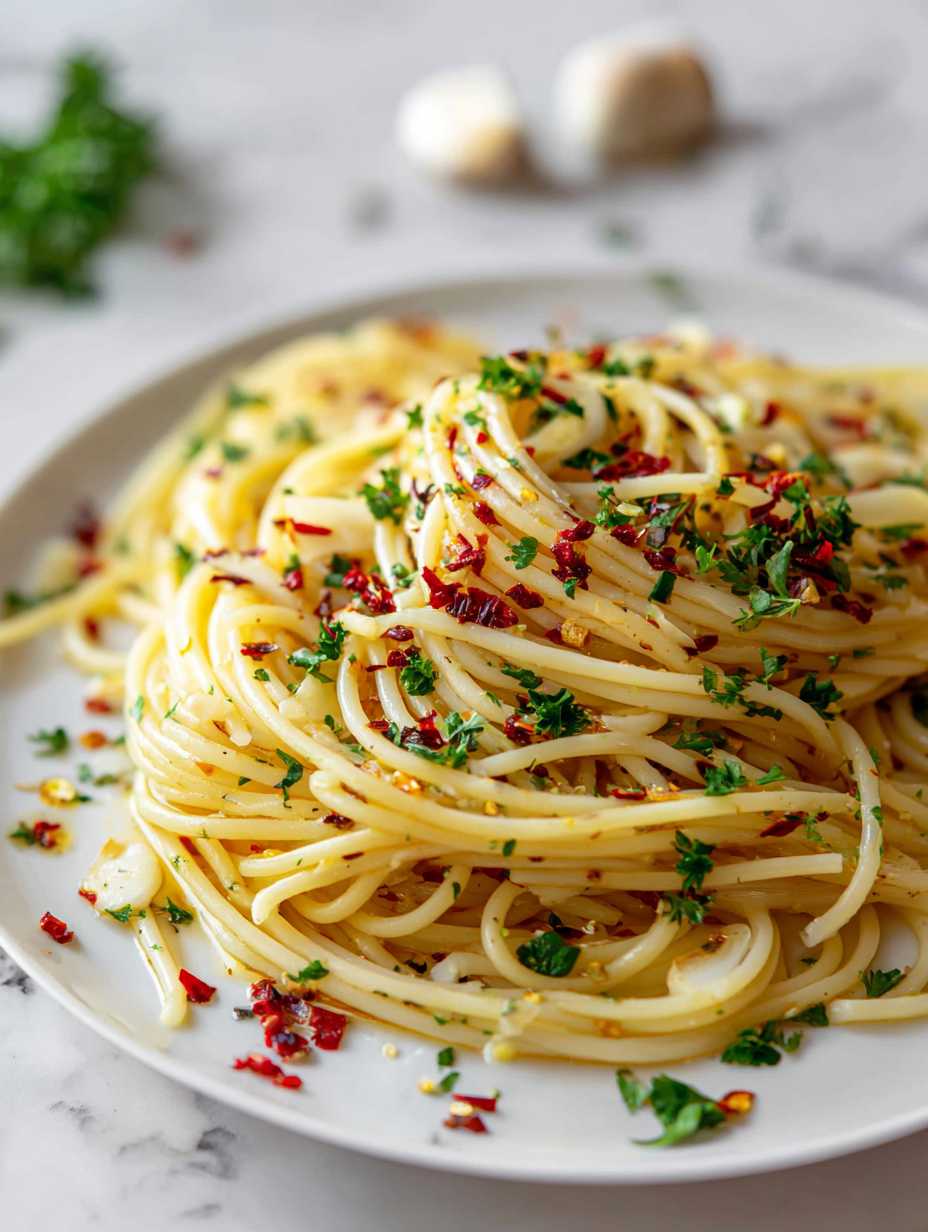
Vegan Spaghetti Aglio e Olio
Ingredients
Equipment
Method
- Bring a large pot of salted water to a rolling boil. Add the spaghetti and cook until just al dente, about 8-10 minutes, stirring occasionally. Drain, reserving about ½ cup of pasta water, and set aside.
- While the pasta cooks, peel and thinly slice the garlic cloves. Heat the olive oil in a large skillet over medium-low heat until it shimmers and releases a grassy aroma.
- Add the sliced garlic to the hot oil. Sizzle gently, stirring often, until the slices turn golden and fragrant, about 2-3 minutes. Be careful not to burn the garlic, as it can turn bitter.
- Sprinkle in the red pepper flakes if using, and cook for about 30 seconds until they crackle and release their aroma, enhancing the oil with a spicy kick.
- Add the drained spaghetti to the skillet. Toss everything together quickly, ensuring the pasta is coated evenly with the fragrant garlic oil. If the mixture feels dry, add a splash of the reserved pasta water to loosen it up.
- Cook for another 1-2 minutes, allowing the flavors to meld and the pasta to absorb the aromatic oil. Taste and adjust seasonings with salt as needed.
- Remove from heat and stir in chopped parsley and lemon zest if desired, adding a fresh, bright note. Toss gently to distribute evenly.
- Serve immediately, garnished with additional chili flakes or herbs if you like a bit more spice and freshness. Enjoy the fragrant, glossy pasta while hot!
Pro tips for perfect Aglio e Olio
- Thin garlic slices crisp up faster, releasing a sharper aroma—aim for even thickness for uniform browning.
- Gently warm olive oil until just shimmering—this awakens its grassy scent without burning the delicate garlic.
- Use a timer for garlic frying—about 2-3 minutes—to prevent over-browning and bitterness.
- Reserve some pasta water—its starchy, silken quality helps emulsify the sauce and cling better.
- Toss pasta in the skillet off heat—this prevents the garlic from overcooking and keeps the oil shiny and fragrant.
- Finish with fresh herbs and lemon zest—add just before serving to preserve their vibrant aroma and flavor.
Common mistakes and how to fix them
- FORGOT to monitor garlic color; burn it, fix by lowering heat immediately.
- DUMPED pasta water too early; retain some to loosen sauce if needed.
- OVER-TORCHED garlic; turn down heat sooner to avoid bitter taste.
- MISSED salt adjustment; always taste after tossing pasta for balanced flavor.
Quick fixes and pantry swaps
- When garlic burns, splash in a bit more oil to cool and rescue flavor.
- If pasta clumps, toss with hot water or a splash of olive oil to loosen.
- Splash cold water on over-torched garlic to stop browning immediately.
- Patch a dry sauce by adding a teaspoon of reserved pasta water for shine and moisture.
- Shield sensitive garlic slices from direct heat to prevent bitterness and shimmer in aroma.
Prep, store, and reheat tips
- You can prep the garlic and chop herbs a day ahead; store in airtight containers in the fridge, aromas stay fresh for 24 hours.
- Cook the spaghetti until al dente, then rinse with cold water, toss with a little olive oil, and store in a sealed container for up to 2 days.
- Refrigerated garlic slices will turn slightly softer but still release that pungent aroma when reheated gently in oil.
- When reheating, warm the pasta gently in a skillet over low heat, adding a splash of reserved pasta water to revive glossy texture and aroma.
- The garlic and oil sauce can be made up to 1 day in advance; reheat until fragrant, then toss with freshly cooked pasta for best sensory punch.
Top questions about vegan Spaghetti Aglio e Olio
1. Can I use gluten-free pasta?
Yes, you can substitute gluten-free pasta, but it might have a different texture and cooking time. Keep an eye on it to avoid overcooking.
2. Can I add lemon or vinegar?
Absolutely, a splash of lemon juice or vinegar can brighten the dish if you don’t have zest. It adds a tangy kick that complements the garlic oil.
3. Can I include veggies?
Yes, you can add vegetables like spinach or cherry tomatoes. Sauté them first or toss in raw for a quick burst of freshness.
4. How can I make it spicier?
For a spicier kick, increase the red pepper flakes or add a dash of cayenne pepper. Be cautious and taste as you go.
5. Can I make it ahead?
You can prepare the garlic and herbs ahead of time and store in the fridge for up to a day. Reheat gently to preserve flavor.
6. What if garlic burns?
If the garlic turns bitter or burnt, immediately reduce the heat or add more oil to dilute the flavor. Always watch garlic closely.
7. What oil should I use?
Use a good quality extra virgin olive oil for rich flavor and aroma. Cheaper oils may lack the same depth and fragrance.
8. How should the pasta be cooked?
Ensure the pasta is cooked al dente—firm but tender—so it holds up in the oil and doesn’t become mushy during tossing.
9. When should I add salt?
Taste and adjust salt after tossing the pasta. The oil and pasta water will need balancing to bring out all flavors.
10. Can I add herbs later?
Yes, adding fresh herbs like parsley or basil just before serving preserves their bright flavor and aroma, making the dish more lively.
This dish feels like a quiet victory—simple ingredients coming together in a way that’s both familiar and unexpectedly lively. It’s the kind of meal you turn to when you need something honest, quick, and filled with aroma.
In a world that often rushes past, this spaghetti reminds me to slow down and really savor the small moments in the kitchen. It’s not fancy, but it’s real, and sometimes that’s exactly what you need.

Hi, I’m Harper Evans. Welcome to Crushing These Flavors, my home on the internet where curiosity, comfort, and a deep love for food come together. I’m a passionate food blogger who believes great meals are built through attention, practice, and a willingness to experiment.