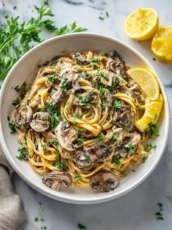
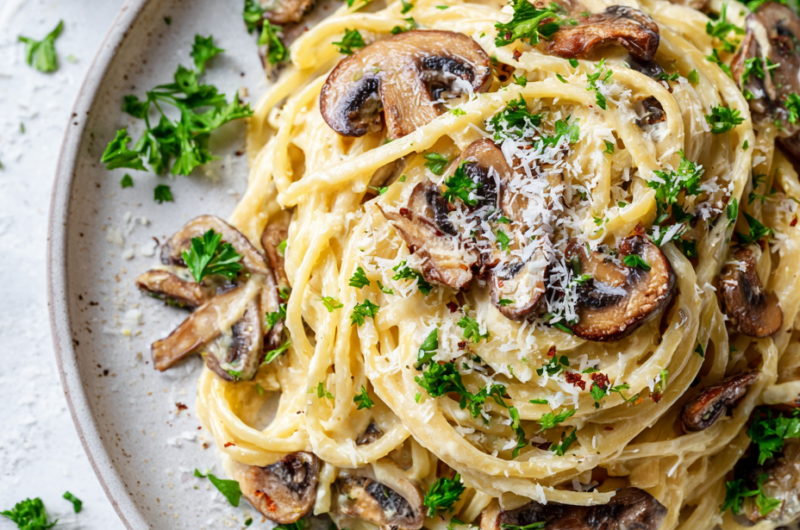
This recipe takes dried mushrooms and coconut milk, staples I usually have lurking in the back of the pantry, and turns them into something unexpectedly luxurious. It’s a kind of magic how dried fungi, simmered slowly, release their deep, savory umami—making every bite feel rich and indulgent without needing heavy cream or cheese.
I love how quick this comes together on a busy weeknight, yet it feels like a special treat. The aroma of caramelized garlic and tender mushrooms fills the kitchen, making even the simplest ingredients feel like a celebration. It’s a reminder that humble pantry staples can create a dish that’s both comforting and surprisingly refined.
This recipe focuses on transforming humble pantry staples—dried mushrooms and coconut milk—into a rich, comforting dish that feels indulgent but is surprisingly quick to whip up on a busy weeknight. It’s about appreciating the umami punch of dried fungi and learning how to coax maximum flavor from simple ingredients, turning everyday cooking into a moment of sensory discovery.
The story behind this recipe
- This dish was born out of a quiet evening when I found myself staring at a jar of dried porcini and a half-empty can of coconut milk. I wanted something cozy but not heavy, something that felt like a warm hug on a chilly night. Mixing those two turned into a little culinary experiment that stuck with me.
- The moment I tasted it, I remembered how simple ingredients can surprise you. The dried mushrooms release a deep, earthy aroma that pairs so unexpectedly well with the creamy coconut. It’s like a little secret I keep in my kitchen, ready to share when I crave comfort without the fuss.
- heading: “The story behind this recipe”
Ingredient breakdown: key components
- Cremini mushrooms: I love how their earthy aroma intensifies as they cook, becoming almost meaty. Skip if you prefer a milder flavor—button mushrooms work but lack that deep, savory punch.
- Dried porcini: These dried fungi release a concentrated, smoky umami that’s like a warm hug. Soaking them rehydrates their chewy texture and boosts flavor—don’t skip this step, even if it feels tedious.
- Coconut milk: I use full-fat for that rich, velvety texture that coats every strand of pasta. Light coconut milk can work, but expect a less luscious sauce—less indulgent, more light.
- Garlic: I crush it until it’s fragrant and golden—this releases a sweet, nutty aroma. If you prefer a milder garlic flavor, reduce the amount or add it later in the cooking process.
- Nutritional yeast: Adds a cheesy, nutty depth—think of it as the secret weapon for that umami boost. If you avoid yeast, a pinch of miso paste can mimic that salty richness.
- Olive oil: I use good-quality extra virgin to start the sauté—its fruity aroma really lifts the dish. Skip this and use a neutral oil if needed, but the flavor will be less vibrant.
- Salt & pepper: I season throughout to build layers of flavor, not just at the end. Be cautious with salt if your coconut milk and mushrooms are already salty—taste as you go.
Spotlight on 1–2 key ingredients
Cremini mushrooms:
- I love how their earthy aroma intensifies as they cook, becoming almost meaty. Skip if you prefer a milder flavor—button mushrooms work but lack that deep, savory punch.
- Dried porcini: These dried fungi release a concentrated, smoky umami that’s like a warm hug. Soaking them rehydrates their chewy texture and boosts flavor—don’t skip this step, even if it feels tedious.
Dried porcini:
- These mushrooms hold a smoky, earthy aroma that blooms during cooking, adding depth. Keep an eye on soaking; they rehydrate and become chewy, so chop finely for even distribution.
- They release a rich, umami-laden soaking liquid—use it in your sauce to deepen flavor.
- When cooked, their texture turns tender yet chewy, adding a satisfying bite to every forkful.
Ingredient swaps and notes
- Dairy-Free: Swap coconut milk for cashew cream or almond milk. Expect a slightly nuttier, less velvety sauce.
- Mushrooms: Use fresh shiitake or portobello instead of dried porcini for a different earthy flavor. Fresh will cook faster and be juicier.
- Oil: Replace olive oil with avocado or sesame oil for a nuttier aroma or higher smoke point.
- Salt: Use soy sauce or tamari instead of salt for umami depth, but cut back on added salt to balance flavors.
- Pasta: Gluten-free or legume-based pasta can work here, but be mindful of cooking times and texture differences.
- Herbs & Spices: Add thyme or a splash of lemon juice for brightness—these fresh touches lift the dish.
- Sweetener: A dash of maple syrup or agave can mellow the smoky mushroom flavor if needed.
Equipment & Tools
- Large pot: Boil pasta efficiently
- Skillet: Cook mushrooms and create sauce
- Fine sieve: Drain soaked mushrooms and strain soaking liquid
- Measuring cups: Ensure accurate liquid measurements
- Knife: Chop mushrooms and garlic
- Wooden spoon: Stir ingredients gently
Step-by-step guide to creamy mushroom pasta
- Equipment & Tools: Boil-proof pot for pasta, skillet for sauce, wooden spoon for stirring, fine sieve for soaking mushrooms, measuring cups, and a sharp knife.
- Bring a large pot of salted water (about 4 liters / 1 gallon) to a rolling boil at 100°C / 212°F. Cook pasta until just al dente, about 8 minutes. Drain, set aside.
- While pasta cooks, soak dried mushrooms in hot water (about 250 ml / 1 cup) for 15 minutes until plump. Drain, reserve soaking liquid, chop mushrooms finely.
- Heat a tablespoon of olive oil in a skillet over medium heat (about 160°C / 320°F). Add sliced fresh mushrooms, cook until golden brown, about 5-7 minutes, stirring occasionally.
- Add minced garlic (about 2 cloves) to the skillet, cook for 30 seconds until fragrant. Then, stir in chopped dried mushrooms, cook for another 2 minutes.
- Pour in the mushroom soaking liquid through a fine sieve, avoiding grit. Bring to a simmer, cook for 3 minutes until slightly reduced, smell should turn earthy and rich.
- Stir in coconut milk (about 1 cup), nutritional yeast (2 tablespoons), and season with salt and pepper. Simmer gently on low heat (about 80°C / 175°F) for 5 minutes, stirring occasionally.
- Taste and adjust seasoning. If sauce is too thick, add a splash of pasta water or mushroom soaking liquid. If too thin, simmer a few more minutes until it thickens slightly.
- Add cooked pasta to the sauce, toss gently to coat. Cook together for 1-2 minutes to meld flavors, smell should be aromatic and creamy.
- Rest for 2 minutes before serving. Plate with a sprinkle of fresh herbs or cracked black pepper for finishing touch.
Rest the pasta for 2 minutes off heat, then serve immediately. Garnish with herbs or extra pepper if desired. Drizzle with a little olive oil or lemon zest for brightness.
How to Know It’s Done
- Pasta is al dente, with a slight bite when tested.
- Sauce is velvety, coats the pasta evenly, with a deep umami aroma.
- Mushrooms are tender, golden, and infused with garlic and herbs.
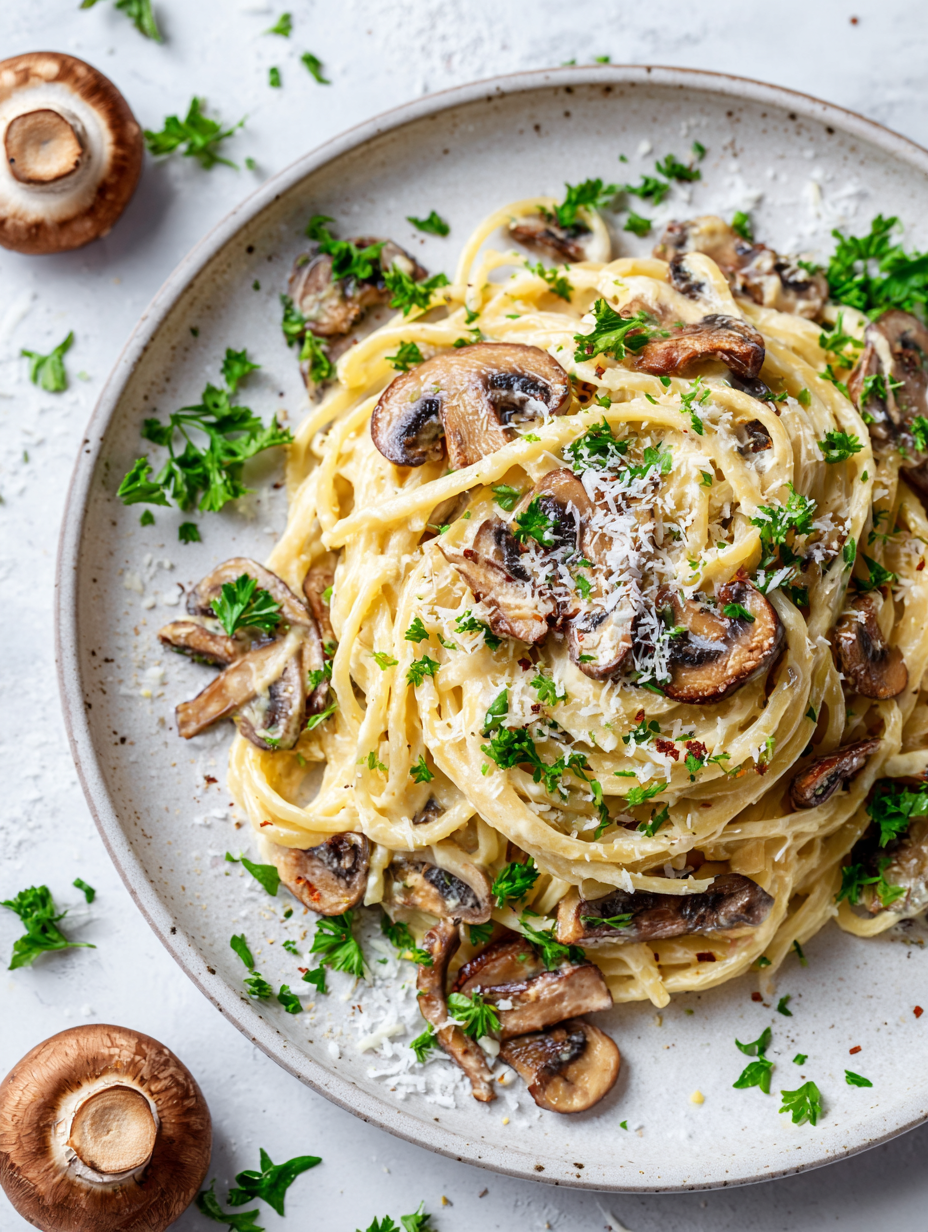
Creamy Mushroom Coconut Pasta
Ingredients
Equipment
Method
- Begin by placing the dried porcini mushrooms in a bowl and pouring over the hot water. Let them soak for about 15 minutes until they are plump and tender, filling your kitchen with an earthy aroma. Drain, reserving the soaking liquid through a fine sieve to catch any grit, and chop the rehydrated mushrooms finely.
- Bring a large pot of salted water to a rolling boil. Add your pasta and cook until just al dente, about 8 minutes. Drain the pasta, reserving a small cup of the starchy pasta water, and set aside.
- While the pasta cooks, heat the olive oil in a skillet over medium heat. Add the minced garlic and sauté for about 30 seconds until it turns fragrant and golden—your kitchen should fill with a sweet, nutty aroma. Then, add the chopped rehydrated mushrooms and cook for 5-7 minutes until they develop a deep, golden color and a slightly crispy edge.
- Pour the reserved mushroom soaking liquid through a fine sieve into the skillet, avoiding any grit. Bring it to a gentle simmer and cook for about 3 minutes, allowing the flavors to concentrate and deepen, filling your kitchen with rich earthy notes.
- Stir in the coconut milk along with the nutritional yeast. Reduce the heat to low and let the sauce simmer gently for 5 minutes, stirring occasionally. It should turn velvety and fragrant, coating the mushrooms beautifully.
- Taste the sauce and season with salt and freshly cracked pepper, adjusting to your preference. If the sauce seems too thick, add a splash of the reserved pasta water or mushroom soaking liquid to loosen it up.
- Add the cooked pasta directly into the skillet with the sauce. Toss gently to coat every strand, allowing the flavors to meld for 1-2 minutes. The sauce should cling to the pasta, creating a creamy, earthy dish.
- Remove from heat and let it rest for 2 minutes. This helps the sauce thicken slightly and the flavors settle. Serve hot, garnished with a sprinkle of fresh herbs or additional cracked pepper if desired, and enjoy the luxurious, velvety pasta with its tender mushrooms and rich umami.
Notes
Pro tips for perfect creamy pasta
- Bolded tip: Use a hot pan to sear mushrooms—listen for a satisfying crackle, they should turn golden quickly.
- Bolded tip: When sautéing garlic, keep heat moderate—avoid burnt bits that turn bitter and ruin the aroma.
- Bolded tip: Soak dried porcini in hot water until plump—this rehydrates them and intensifies their smoky flavor.
- Bolded tip: Pour soaking liquid through a fine sieve—this traps grit and keeps your sauce smooth and rich.
- Bolded tip: Stir in coconut milk off heat if sauce thickens—this preserves its velvety texture and prevents splitting.
- Bolded tip: Taste and adjust seasoning after sauce simmers—adding salt and pepper gradually ensures balanced flavor.
- Bolded tip: Rest the pasta a couple of minutes before serving—this allows flavors to settle and sauce to thicken slightly.
Common mistakes and how to fix them
- FORGOT to drain dried mushrooms thoroughly → Pat them dry to avoid excess water in sauce.
- DUMPED all soaking liquid without straining → Always strain to prevent grit and bitterness.
- OVER-TORCHED the garlic → Cook garlic gently until golden, not burnt, to avoid bitterness.
- MISSED adjusting seasoning after adding coconut milk → Taste and adjust salt and pepper before serving.
Quick fixes and pantry swaps
- If sauce is too thick, splash in hot pasta water and stir until silky.
- When mushrooms release excess water, increase heat to evaporate it quickly.
- Splash a little lemon juice if sauce needs brightness—brightens earthy flavors instantly.
- Patch over-seasoned sauce with a splash of coconut milk to mellow saltiness.
- Shield delicate garlic from direct heat—add later if it starts to brown too fast, smelling bitter.
Prep, store, and reheat tips
- Prep the mushroom soaking liquid and chop dried mushrooms a day ahead—store in airtight container in the fridge for up to 24 hours, preserving their earthy aroma.
- Cook the pasta al dente and toss with a little oil before refrigerating in a covered container; it will keep for up to 2 days but may become slightly sticky—reheat with a splash of water or oil.
- Prepare the sauce components up to the point of simmering, then cool and refrigerate for up to 1 day; the flavors deepen overnight, making it richer and more savory.
- Reheat gently over low heat, stirring often, until warmed through—look for the sauce to shimmer and smell earthy and fragrant. Add a splash of water or coconut milk if it thickens too much.
Top questions about vegan creamy mushroom pasta
1. Can I substitute dried porcini mushrooms?
Use dried porcini for a smoky, concentrated flavor that rehydrates and releases umami during cooking. You can swap with fresh shiitake if preferred, but the depth will differ.
2. What can I use instead of coconut milk?
Coconut milk provides a rich, velvety texture with a subtle sweetness. Almond or cashew cream can replace it for a nuttier, less sweet sauce.
3. How do I cook the pasta perfectly?
Cook the pasta al dente, about 8 minutes in boiling salted water. Overcooking makes it mushy; undercooking leaves it tough. Taste test is best.
4. Why soak dried mushrooms?
Soaking dried mushrooms in hot water for 15 minutes rehydrates them and intensifies flavor. Strain the soaking liquid through a fine sieve to avoid grit in your sauce.
5. How do I sauté mushrooms properly?
Use a large skillet to sauté the mushrooms and garlic, about 5-7 minutes, until golden and fragrant. Keep the heat moderate to avoid burning garlic.
6. When should I add coconut milk?
Add the coconut milk after sautéing mushrooms to keep it from curdling. Keep the heat low and stir gently to maintain a smooth, creamy sauce.
7. How do I season the dish?
Season throughout the cooking process—taste after adding each ingredient. This builds layered, balanced flavor without oversalting.
8. How long does leftovers last?
Refrigerate leftovers in an airtight container for up to 3 days. Reheat gently on the stove, stirring often, until the sauce shimmers and smells rich.
9. What if the sauce gets too thick?
If the sauce thickens too much, splash in warm pasta water or a little coconut milk to loosen it. For a quick fix, stir until silky.
10. Why strain the soaking liquid?
Use a slotted spoon to drain soaked mushrooms, keeping the flavorful soaking liquid for added depth in the sauce. Don’t skip this step.
This pasta dish is a reminder that simple ingredients can surprise you with their depth and richness. The earthy mushrooms and velvety coconut sauce come together in a way that feels both indulgent and honest. It’s a comforting meal that doesn’t ask for more than a few pantry staples, perfect for those busy nights when you need something satisfying.
Sharing this recipe feels like passing along a little secret—something humble that turns into a small celebration. No matter how often I make it, the aroma of garlic and mushrooms simmering in coconut milk still makes me pause and smile. It’s a dish that’s as honest as it is unexpectedly luxurious, a true testament to the magic in everyday cooking.

Hi, I’m Harper Evans. Welcome to Crushing These Flavors, my home on the internet where curiosity, comfort, and a deep love for food come together. I’m a passionate food blogger who believes great meals are built through attention, practice, and a willingness to experiment.