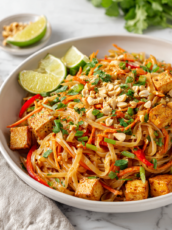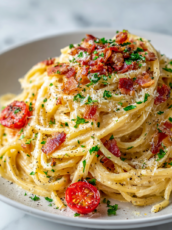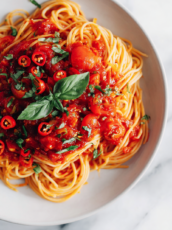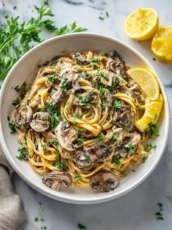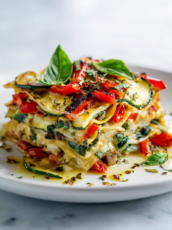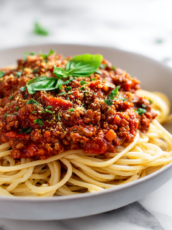
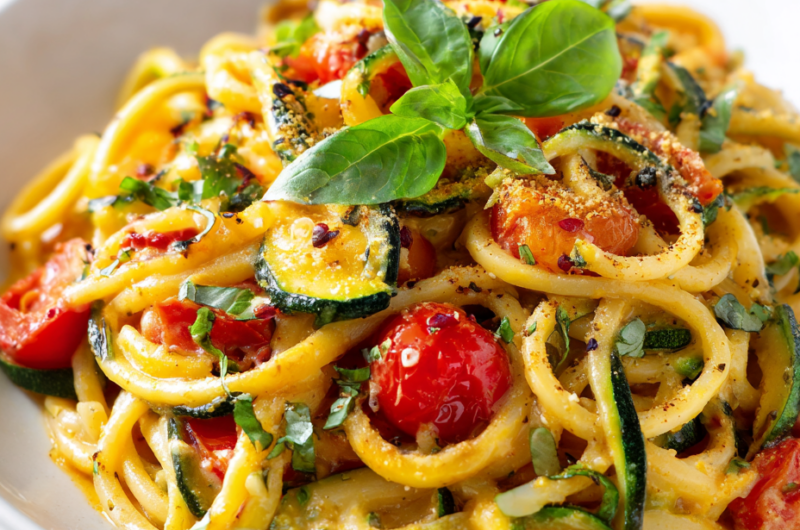
There’s something about a single pot that just makes cooking feel more honest. No layers, no fuss—just a bubbling, fragrant mess that somehow turns into dinner. This vegan one pot pasta is like that. It’s imperfect, practical, and honest, perfect for those nights when you want comfort without the clean-up guilt.
I’ve made this recipe on chaotic weeknights and lazy weekends alike. It’s a little chaotic to cook, sure, but the smell that fills the kitchen—garlic, lemon, and melting herbs—makes it all worth it. Plus, you get to eat straight from the pot, no extra dishes, no fuss.
What I love most? It’s flexible. Whatever veggies or herbs you’ve got lying around, toss them in. It’s a real kitchen sink kind of dish, forgiving and full of flavor, and it’s become a kind of small ritual in my cluttered kitchen.
Focusing on the comforting chaos of a single pot, this recipe embraces the messy joy of cooking without fuss, perfect for busy days or when your kitchen needs to breathe. It’s about turning an everyday staple into a no-clean-up, flavor-packed moment of relief, where everything comes together in a bubbling, fragrant swirl.
The story behind this recipe
- This recipe was born out of a hectic evening when I realized I had no energy for complicated cooking but still wanted something warm and satisfying. I threw together what was in the pantry—no fancy ingredients, just simple stuff that needed to be used up. The magic happened when the pasta absorbed all those flavors and became tender, soaking up the fragrant broth.
- Making this dish reminded me how sometimes, the best meals come from pure improvisation. It’s a reminder that you don’t need a perfect pantry or hours in the kitchen to create something nourishing and delicious. Just a single pot, some good ingredients, and a bit of patience for the flavors to meld.
- heading: ‘The story behind this recipe’
Ingredient breakdown: key components
- Pasta: I prefer using good-quality spaghetti or linguine. It’s got that satisfying chew. Swap for gluten-free if needed, but watch the cooking time to avoid mush.
- Vegetables: I love cherry tomatoes and spinach—they add brightness and freshness. Use zucchini or kale for different textures. Keep the veggies bite-sized for even cooking.
- Garlic & Onion: These form the flavor base. I crush the garlic until fragrant—about 30 seconds in hot oil. Skip if sensitive, but they really lift the broth’s aroma.
- Broth: Vegetable stock is my go-to, especially homemade or low-sodium. Use water and a bouillon cube if pressed—just expect a milder flavor. Add a splash of lemon juice for brightness.
- Herbs & Seasonings: Fresh basil and oregano make it lively. Dried works in a pinch but add early to release more flavor. A pinch of chili flakes gives a gentle kick.
- Oil & Acid: Olive oil adds richness, but a splash of avocado oil works too. Finish with lemon or vinegar to brighten the dish just before serving—oozy and zesty.
- Salt & Pepper: I season gradually, tasting as I go. Too much salt can overpower the fresh flavors. Adjust at the end for perfect balance.
Spotlight on key ingredients
Pasta:
- I prefer using good-quality spaghetti or linguine. It’s got that satisfying chew. Swap for gluten-free if needed, but watch the cooking time to avoid mush.
- Vegetables: I love cherry tomatoes and spinach—they add brightness and freshness. Use zucchini or kale for different textures. Keep the veggies bite-sized for even cooking.
- Garlic & Onion: These form the flavor base. I crush the garlic until fragrant—about 30 seconds in hot oil. Skip if sensitive, but they really lift the broth’s aroma.
Broth & Herbs:
- Broth: Vegetable stock is my go-to, especially homemade or low-sodium. Use water and a bouillon cube if pressed—just expect a milder flavor. Add a splash of lemon juice for brightness.
- Herbs & Seasonings: Fresh basil and oregano make it lively. Dried works in a pinch but add early to release more flavor. A pinch of chili flakes gives a gentle kick.
Notes for ingredient swaps
- Vegan Cheese: Nutritional yeast adds cheesy umami without dairy. Skip if you prefer pure veggie flavor, but it won’t have that nutty richness.
- Gluten-Free Pasta: Use rice or chickpea pasta for a similar bite. Keep in mind they might cook faster or have a different texture.
- Vegetables: Frozen spinach or kale works well—just thaw and squeeze out excess water. Fresh is brighter, but frozen is a busy-day backup.
- Broth: Coconut water can add a subtle sweetness, but might clash with herbs. Stick to vegetable broth for classic flavor.
- Herbs & Seasonings: Dried oregano or thyme can replace fresh herbs. They develop flavor more slowly, so add earlier during cooking.
- Oil & Acid: Avocado oil or sesame oil can swap for olive oil—each adds a unique aroma. Lemon juice brightens, but vinegar offers sharper tang.
- Salt & Pepper: Sea salt or Himalayan pink salt offers a different mineral note. Adjust gradually, tasting as you go to avoid over-salting.
Equipment & Tools
- Large skillet or wide pot: Holds all ingredients and allows even cooking.
- Wooden spoon or spatula: Stirs ingredients and prevents sticking.
- Measuring cups and spoons: Ensure accurate broth and seasoning quantities.
- Knife and cutting board: Chops vegetables and herbs.
Step-by-step guide to vegan pasta
- Gather a large, deep skillet or a wide pot—something that can hold all ingredients comfortably. Have your pasta, broth, vegetables, garlic, herbs, and seasonings ready.
- Heat the pan over medium heat (about 160°C/320°F). Add a splash of olive oil and sauté minced garlic for 30-40 seconds until fragrant and slightly golden. Avoid burning it—if it smokes or turns bitter, lower the heat.
- Pour in the vegetable broth and bring to a gentle simmer. Add a pinch of salt and pepper, then stir in the dry pasta. Make sure the liquid covers the pasta almost entirely.
- Bring the broth to a boil, then reduce to medium-low (about 130°C/265°F). Cook uncovered, stirring occasionally, for 10 minutes. Keep an eye on the pasta—if it sticks or the broth reduces too much, add a splash more hot water.
- Halfway through, add cherry tomatoes and chopped zucchini or spinach, depending on your preference. Stir to combine. The vegetables should soften and release their aroma while the pasta absorbs the flavors.
- Check the pasta’s doneness by tasting—should be tender yet slightly al dente. The broth should be mostly absorbed or slightly thickened. If it’s still soupy, cook a bit longer. If it’s dry, add a splash more broth or hot water.
- Once cooked, turn off heat. Stir in fresh herbs like basil or oregano, and squeeze lemon juice or a splash of vinegar for brightness. Taste and adjust salt or seasonings as needed.
- Let the pasta rest for 2 minutes—this helps flavors meld and prevents it from sticking. Serve straight from the pot, garnished with extra herbs or a drizzle of olive oil.
Let the pasta sit for 2 minutes off heat. Garnish with fresh herbs or a drizzle of olive oil. Serve hot straight from the pot, no extra dishes needed.
How to Know It’s Done
- Pasta should be tender yet firm (al dente).
- Broth mostly absorbed, with a slightly creamy texture.
- Vegetables are soft, vibrant, and fragrant.
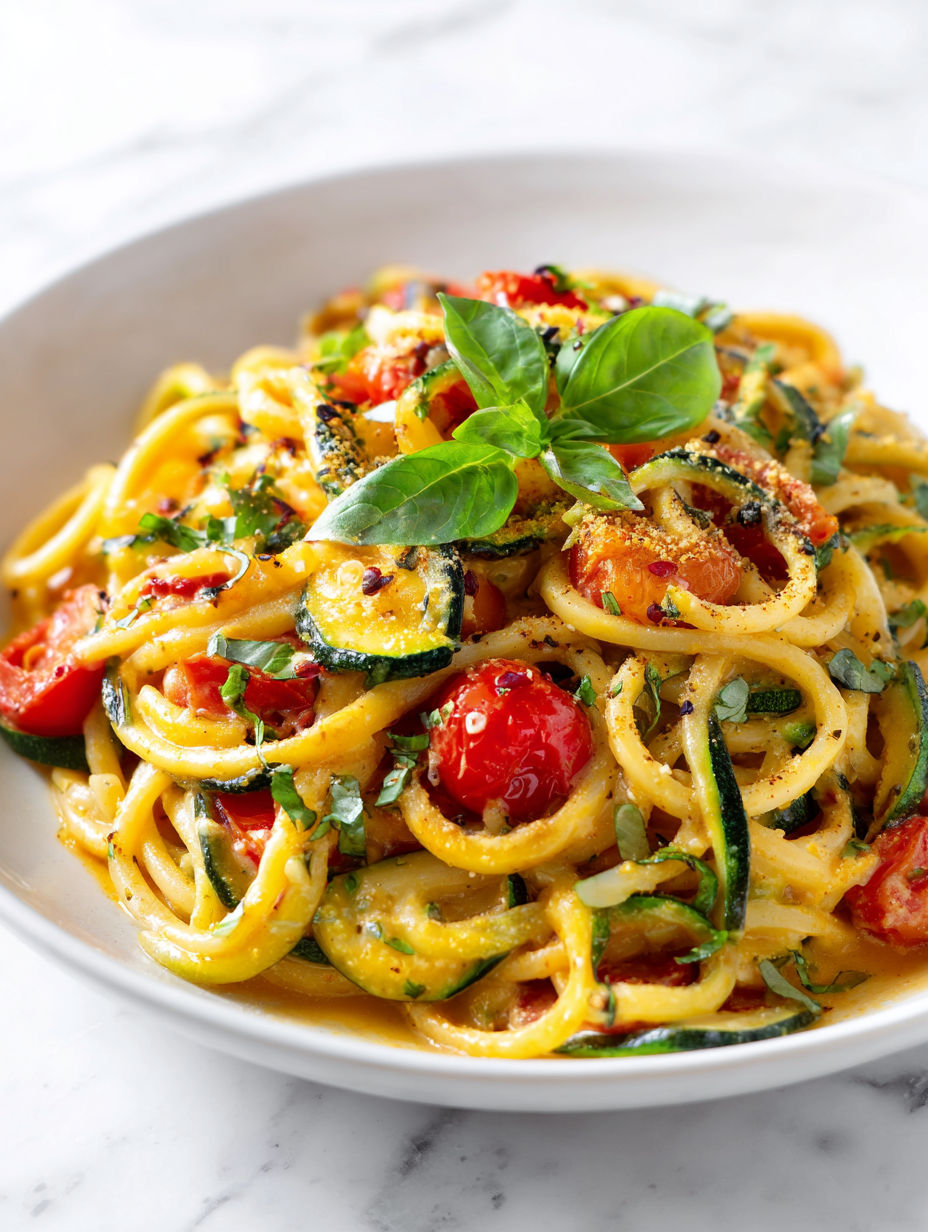
Vegan One Pot Pasta
Ingredients
Equipment
Method
- Start by heating your large skillet or wide pot over medium heat, then add the olive oil. Once it shimmers and begins to smell fragrant, toss in the minced garlic and sauté for about 30 seconds until it becomes aromatic and slightly golden, filling your kitchen with a savory aroma.
- Pour in the vegetable broth and bring it to a gentle simmer. Add a pinch of salt and pepper, then stir in the dry pasta, making sure it’s submerged in the broth. This creates a flavorful base for the dish.
- Increase the heat slightly to bring the mixture to a boil, then reduce it to medium-low. Cook uncovered, stirring occasionally, for about 10 minutes. During this time, the pasta absorbs the broth, softens, and begins to release starch, creating a light sauce.
- After about 5 minutes, add the halved cherry tomatoes and chopped greens like spinach or kale. Stir everything together, allowing the vegetables to soften and release their vibrant colors and fresh aromas.
- Check the pasta for doneness—aim for tender but al dente, with the broth mostly absorbed and slightly thickened. If needed, cook for a few more minutes or add a splash of hot water to loosen the mixture.
- Turn off the heat, then squeeze fresh lemon juice over the pasta and sprinkle with dried oregano. Taste and adjust seasoning with more salt, pepper, or lemon as desired, ensuring a bright, balanced flavor profile.
- Give everything one last stir, then let the pasta rest for 2 minutes. This helps the flavors meld and allows the dish to settle into a glossy, flavorful state.
- Serve straight from the pot, garnished with additional herbs if desired, and enjoy the rustic, fragrant, and satisfying vegan pasta that’s ready with minimal clean-up.
Pro tips for perfect vegan one pot pasta
- Bolded mini-head: Use a wide, shallow pan → Ensures even cooking and easier stirring.
- Bolded mini-head: Salt the pasta water generously → Enhances overall flavor and prevents sticking.
- Bolded mini-head: Stir frequently in the first few minutes → Prevents pasta from clumping or sticking to the bottom.
- Bolded mini-head: Check pasta early → It can overcook quickly in one pot, aim for al dente.
- Bolded mini-head: Add herbs at the end → Keeps their fresh aroma and vibrant color intact.
- Bolded mini-head: Taste and adjust seasoning before serving → Balances acidity and salt, especially after adding lemon or vinegar.
- Bolded mini-head: Rest the dish briefly off heat → Allows flavors to meld and prevents it from being too watery.
Common mistakes and how to fix them
- FORGOT to stir: pasta sticks or burns. Fix by stirring every few minutes.
- DUMPED too much water: pasta becomes mushy. Use less water, check texture early.
- OVER-TORCHED the garlic: turns bitter. Keep heat moderate and smell for fragrant aroma.
- FAILED to taste: seasoning may be bland. Adjust salt and herbs before serving.
Quick fixes and pantry swaps
- When pasta sticks, splash hot water and stir gently to loosen.
- If broth reduces too quickly, add a splash of hot water to keep it saucy.
- Splash a bit of lemon juice if the dish tastes flat or dulls in flavor.
- Patch overcooked pasta by stirring in a touch of fresh herbs and a drizzle of oil.
- Shield burnt garlic by removing from heat immediately and adding fresh herbs for aroma.
Prep, store, and reheat tips
- Prep all vegetables and herbs in advance; store chopped in airtight containers for up to 2 days. The aroma of fresh herbs dulls over time, so add closer to serving.
- Cook the pasta separately if you prefer to reheat without mushiness; keep in an airtight container for up to 3 days. Reheat in the microwave or on the stove with a splash of broth until steaming hot, smelling fragrant.
- Store leftovers in a sealed container in the fridge for up to 3 days. The flavors intensify slightly, giving it a richer, more concentrated taste upon reheating.
- Reheat gently on low heat or in the microwave. Expect the pasta to absorb more broth, making it slightly thicker; stir in a little hot water or broth to loosen before serving. The smell of garlic and herbs should be vibrant, with a warm, comforting aroma.
- For longer storage, freeze in airtight containers for up to a month. The texture may change slightly, but the flavors remain bright and satisfying after thawing and reheating.
Top questions about vegan pasta
1. What’s the best pan for this recipe?
Use a wide, deep pan to give the pasta room to cook evenly without sticking. It makes stirring easier and prevents clumps.
2. How long does the pasta take to cook?
Add the pasta to boiling broth and cook uncovered, stirring occasionally. It should be tender but still slightly firm, about 10 minutes.
3. Can I add other vegetables?
Use firm cherry tomatoes for burst of sweetness and vibrant color. Spinach wilts quickly, so add it halfway through cooking.
4. How do I know when it’s done?
Taste the dish before serving and adjust salt, acidity, or herbs. The flavors should be bright, well-rounded, and fragrant.
5. Can I use water instead of broth?
Use vegetable broth for a richer flavor. If you only have water, add a bouillon cube or a splash of soy sauce for depth.
6. When should I add herbs and lemon?
Stir in fresh herbs and lemon juice after cooking to keep their bright aroma and flavor intact.
7. How do I reheat without making it mushy?
Reheat leftovers gently on the stove with a splash of broth or water. The dish thickens as it sits, so loosen it up before serving.
8. Can I make it creamier?
For a creamier texture, stir in a little nutritional yeast or vegan cheese after cooking. It adds umami without dairy.
9. How can I add more flavor or heat?
Add a pinch of chili flakes or smoked paprika during cooking for extra warmth and smoky aroma.
10. How long can I keep leftovers?
Store in airtight containers for up to 3 days in the fridge. The flavors deepen, and the dish becomes more comforting upon reheating.
This one-pot pasta isn’t just about convenience; it’s about embracing the messy, fragrant joy of simple cooking. When the garlic, herbs, and lemon mingle and fill the kitchen, it feels like a small victory in the chaos of the day.
In the end, it’s a reminder that nourishing meals don’t need to be complicated or perfect. Sometimes, the best moments are created with just a single pot, a handful of ingredients, and a bit of patience. It’s honest, imperfect, and enough.

Hi, I’m Harper Evans. Welcome to Crushing These Flavors, my home on the internet where curiosity, comfort, and a deep love for food come together. I’m a passionate food blogger who believes great meals are built through attention, practice, and a willingness to experiment.